Belgrade Goes Gold: Serbia’s Padel Ambition Takes Another Giant Step
Belgrade Goes Gold
One year after Serbia’s first FIP Silver, Belgrade raises the stakes with a FIP Gold featuring Mike Yanguas, Coki Nieto, Franco Stupaczuk and Jon Sanz.
It took Serbia just twelve months to move from Silver to Gold.
After successfully hosting its first-ever CUPRA FIP Tour event last summer, Belgrade is preparing to welcome international padel back to the Serbian capital from 24 to 30 August, this time with a considerably bigger tournament and some familiar faces from the highest level of the professional game.
The FIP Gold Belgrade 2026 represents another important step for a country where padel is still relatively young but developing quickly. More than 200 players from over 40 countries are expected in Serbia.
But four names in particular immediately give an indication of the level Belgrade has managed to attract: Mike Yanguas, Coki Nieto, Franco Stupaczuk and Jon Sanz.
All four are established Premier Padel players and regular protagonists at the top of the international game. Their presence gives the Serbian event a profile that would have been difficult to imagine when the country's first FIP tournament was announced only a year ago.
There will also be plenty of attention around the two new partnerships. Yanguas and Nieto will compete together in Belgrade, while Stupaczuk and Sanz will be on the opposite side of the draw. With ranking points at stake and the margins between the leading players increasingly important, the FIP Gold offers both pairs an interesting opportunity to begin building their new projects.
For the Serbian Padel Federation, however, this tournament is also the continuation of a story that began in 2025.
Last August, the federation organised the FIP Silver Belgrade, the first CUPRA FIP Tour tournament ever staged in Serbia. More than 200 players representing over 30 countries travelled to the Serbian capital and the event proved an immediate success, both in terms of participation and the response around the tournament.
The first Serbian FIP titles went to Flavio Abbate and Alvaro Montiel, who defeated Guillermo Collado and Pol Hernandez in the men's final, while Ksenia Sharifova and Virginia Riera claimed the women's trophy after overcoming Anna Ortiz and Giulia Dal Pozzo.
Twelve months later, the step from Silver to Gold says perhaps more about the progress of Serbian padel than any promotional campaign could.
Belgrade is no longer testing whether an international padel tournament can work. It is raising the level.
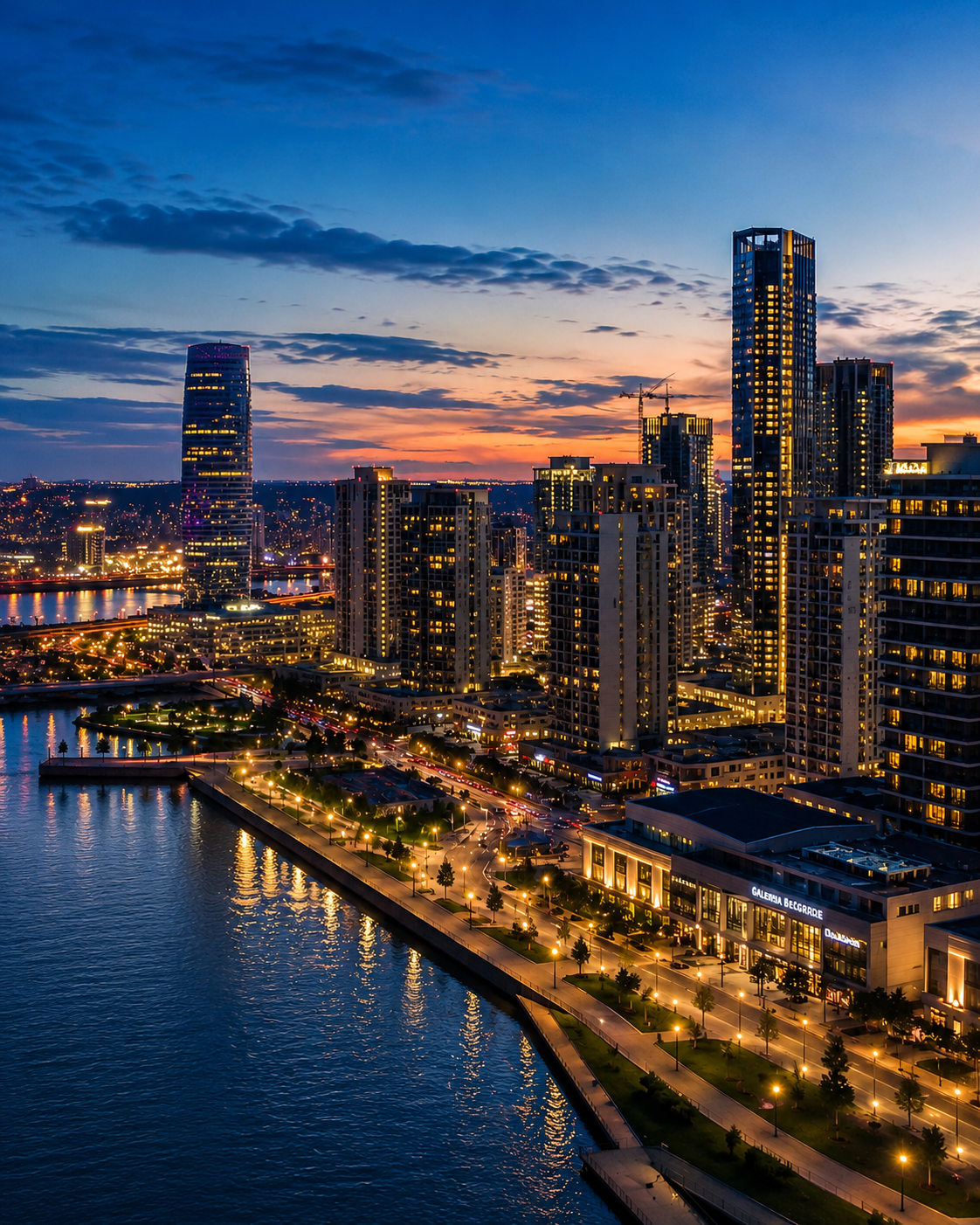
The setting will help. The first rounds will be played at Padel Center Belgrade Waterfront, before the tournament moves into the heart of one of the city's most recognisable modern areas for its decisive stages. A specially built centre court in front of the St. Regis Belgrade and Kula Belgrade will host the quarter-finals, semi-finals and finals, bringing professional padel into a highly visible urban setting.
There is also a wider purpose behind the week. Matches before the quarter-finals will be open to the public free of charge, an important opportunity to introduce more people to a sport that is still establishing itself in Serbia. From the quarter-finals onwards, ticket revenue will be donated to UNICEF Serbia, supporting programmes for premature babies.
It is a combination that reflects what the Serbian Padel Federation is trying to build: a serious international tournament, but also an event capable of taking padel beyond the existing community and putting the sport in front of a broader Serbian audience.
And that matters because Belgrade's progress is part of a much larger story.
Padel's European map is changing quickly. Spain remains its great traditional stronghold, but the sport has expanded dramatically through Italy and France, while markets including the United Kingdom, Scandinavia and Central and Eastern Europe continue to develop. The international calendar is following that growth.
This is precisely where the CUPRA FIP Tour plays an important role. While Premier Padel provides the sport's biggest global stage, FIP's international circuit allows professional competition to reach emerging markets, giving national federations the opportunity to build events, attract international players and create local interest around the professional game.
Serbia is a particularly good example of how quickly that process can work.
First came the Silver. Now comes the Gold. And this time some of the players arriving in Belgrade are names Serbian fans are accustomed to watching on Premier Padel's biggest courts.
There could be more ahead too. The Serbian Padel Federation has already spoken about the opportunities surrounding EXPO 2027 in Belgrade and its potential role in further developing the sport in Serbia and across the region.
For now, though, the focus is on one week in August.
Twelve months after Abbate, Montiel, Sharifova and Riera became Serbia's first FIP champions, Belgrade is ready to go again — with a bigger tournament, a stronger field and considerably greater expectations.
The first FIP Silver proved that international padel had a place in Serbia.
The FIP Gold now has the chance to show just how far Belgrade can take it.